Bespoke Software Development: Complete Guide
Everything businesses need to know about bespoke software development, from benefits and costs to the development process and choosing the right technology partner.

Businesses today rely on software for nearly every aspect of their operations. While off-the-shelf solutions can address common needs, many organizations eventually encounter limitations that hinder efficiency, scalability, and innovation. This is where bespoke software development becomes a strategic investment.
Bespoke software development refers to the design and creation of software tailored specifically to a company's unique requirements. Unlike generic software products built for mass markets, bespoke solutions are engineered around a business's processes, goals, users, and operational challenges.
Whether you're a startup building a new digital product, a growing company seeking operational efficiency, or an enterprise modernizing legacy systems, understanding bespoke software development can help you make informed technology decisions.
In this guide, we'll explore what bespoke software development is, how it works, its advantages, costs, common use cases, and how to select the right development partner.
What Is Bespoke Software Development?
Bespoke software development is the process of creating custom software solutions designed specifically for a particular organization or use case.
The term "bespoke" originates from traditional tailoring, where clothing is made according to the individual measurements and preferences of a customer. Similarly, bespoke software is built around the exact needs of a business rather than forcing the business to adapt to standardized software limitations.
Examples include:
- Custom CRM platforms
- Internal workflow automation systems
- Industry-specific management software
- Enterprise resource planning tools
- Customer portals
- SaaS platforms
- Mobile applications
- AI-powered business solutions
Organizations often choose bespoke software when existing products cannot adequately support their workflows, integrations, compliance requirements, or growth objectives.
For businesses evaluating custom technology solutions, our guide on custom software implementation and business needs provides additional insights into when custom development becomes necessary.
👉 Related Reading: Signs Your Business Needs Custom Software
Bespoke Software Development vs Off-the-Shelf Software
One of the most common questions business leaders ask is whether custom software is worth the investment compared to commercially available alternatives.
Off-the-Shelf Software
Off-the-shelf software is designed for broad audiences and standardized business processes.
Examples include:
- CRM platforms
- Accounting software
- Project management tools
- Marketing automation platforms
Advantages:
- Faster deployment
- Lower initial investment
- Established user communities
- Vendor-managed maintenance
Limitations:
- Limited customization
- Subscription costs accumulate over time
- Generic workflows
- Potential integration challenges
- Dependence on vendor roadmaps
Bespoke Software
Custom-built solutions provide:
- Complete ownership
- Tailored functionality
- Flexible architecture
- Competitive differentiation
- Seamless integrations
- Scalability aligned with business growth
While bespoke software generally requires a larger upfront investment, many organizations find it delivers greater long-term value by eliminating inefficiencies and reducing dependency on third-party tools.
For companies seeking a dedicated development partner, our Custom Software Development Company services focus on building scalable solutions aligned with business objectives.
Benefits of Bespoke Software Development
1. Tailored Business Processes
Every organization operates differently. Custom software supports existing workflows instead of forcing employees to adapt to generic systems.
This often results in:
- Faster processes
- Reduced manual work
- Improved employee productivity
- Better user adoption
2. Improved Scalability
As businesses grow, software requirements evolve. Bespoke solutions can be designed with future expansion in mind, allowing organizations to:
- Add new modules
- Integrate additional systems
- Support larger user bases
- Expand into new markets
...without replacing core infrastructure.
3. Competitive Advantage
Unique software capabilities can become significant competitive differentiators. Examples include:
- Proprietary algorithms
- Industry-specific workflows
- Customer self-service portals
- AI-driven automation
- Advanced analytics platforms
These capabilities are difficult for competitors to replicate using standard software products.
4. Better Integration Capabilities
Modern businesses often use multiple systems across departments. Custom software can integrate with:
- ERP platforms
- CRM systems
- Accounting tools
- Payment gateways
- Marketing platforms
- Third-party APIs
...creating a unified digital ecosystem.
5. Enhanced Security
Organizations handling sensitive information frequently require stricter security controls than commercial software products can provide. Bespoke solutions can incorporate:
- Custom authentication systems
- Role-based permissions
- Regulatory compliance requirements
- Advanced encryption
- Security auditing mechanisms
...from the beginning of development.
Common Use Cases for Bespoke Software
Enterprise Management Systems
Organizations often require centralized platforms to manage:
- Operations
- Finance
- Human resources
- Inventory
- Procurement
Custom enterprise solutions can streamline workflows across departments.
SaaS Platforms
Many startups launch Software-as-a-Service products using bespoke development approaches. Custom architecture allows founders to:
- Validate ideas
- Control product roadmaps
- Differentiate from competitors
- Scale effectively
Customer Portals
Businesses increasingly provide customers with self-service access through custom portals. Examples include:
- Account management
- Subscription administration
- Document sharing
- Service requests
- Reporting dashboards
Workflow Automation
Automation remains one of the highest-return software investments. Organizations use bespoke software to automate:
- Approvals
- Data entry
- Reporting
- Scheduling
- Customer onboarding
- Internal communications
Mobile Applications
Many businesses require custom mobile experiences that align with their specific goals. A tailored mobile application can improve customer engagement, operational efficiency, and service delivery.
The Bespoke Software Development Process
Successful projects typically follow a structured development lifecycle.
Discovery and Requirements Gathering
The project begins with identifying:
- Business objectives
- User needs
- Technical requirements
- Existing pain points
- Success metrics
This stage establishes project scope and priorities.
Solution Architecture
Architects design:
- System structure
- Database models
- Integration strategy
- Security framework
- Scalability considerations
A strong architecture reduces future technical debt.
UX/UI Design
Design teams create intuitive user experiences through:
- Wireframes
- User flows
- Interactive prototypes
- Interface designs
The goal is to ensure usability before development begins.
Development
Engineers build the application using selected technologies and development methodologies. Modern projects often utilize Agile delivery frameworks to provide continuous feedback and incremental improvements.
Quality Assurance Testing
Testing validates:
- Functionality
- Performance
- Security
- Compatibility
- User experience
Comprehensive QA reduces deployment risks.
Deployment
The software is released into production environments. Deployment activities may include:
- Infrastructure configuration
- Data migration
- User onboarding
- Monitoring implementation
Ongoing Maintenance
Post-launch support often includes:
- Security updates
- Feature enhancements
- Performance optimization
- Technical support
- Infrastructure management
Businesses investing in long-term software initiatives often benefit from partnering with a dedicated Bespoke Software Development Company capable of supporting continuous growth.
How Much Does Bespoke Software Development Cost?
Project costs vary significantly depending on complexity, scope, integrations, and development timelines.
Factors influencing cost include:
Project Complexity
Simple internal tools generally require fewer resources than enterprise platforms or SaaS products.
Features and Functionality
Advanced functionality such as:
- Artificial intelligence
- Real-time processing
- Complex integrations
- Data analytics
...typically increases development effort.
Platform Requirements
Projects targeting multiple platforms may require:
- Web applications
- Mobile apps
- Administrative dashboards
- API infrastructure
...which impacts overall budget.
Team Composition
Typical project teams may include:
- Product strategists
- Business analysts
- UX/UI designers
- Frontend developers
- Backend developers
- QA engineers
- Project managers
The size of the team influences project investment.
Signs Your Business Needs Bespoke Software
Organizations frequently consider custom software after encountering recurring operational challenges. Common indicators include:
- Employees rely heavily on spreadsheets
- Multiple disconnected systems create inefficiencies
- Manual processes consume excessive time
- Existing software lacks critical functionality
- Business growth exceeds current platform capabilities
- Customer experience suffers from technology limitations
If several of these issues sound familiar, custom development may provide a strategic solution.
👉 Related Reading: Signs Your Business Needs Custom Software
How to Choose a Bespoke Software Development Company
Selecting the right development partner can significantly impact project outcomes. Consider evaluating:
Industry Experience
Review relevant case studies and project portfolios. For professional development services, learn more about our Custom Software Development Company approach.
Technical Expertise
Assess capabilities across:
- Web development
- Mobile development
- Cloud infrastructure
- AI solutions
- System integrations
Development Methodology
Look for structured processes, transparent communication, and Agile delivery practices.
Long-Term Support
Software requires ongoing evolution. Ensure the provider offers maintenance and enhancement services after launch.
Strategic Understanding
The strongest development partners focus not only on technology but also on business objectives and measurable outcomes.
Future Trends in Bespoke Software Development
Several emerging trends continue shaping custom software projects:
Artificial Intelligence Integration
Businesses increasingly incorporate AI-driven capabilities into internal and customer-facing applications.
Cloud-Native Architecture
Modern applications are being designed for scalability, resilience, and operational efficiency in cloud environments.
Low-Code Augmentation
Organizations combine traditional development with low-code tools to accelerate delivery while maintaining flexibility.
Enhanced Cybersecurity
Security-first development practices continue becoming essential across industries.
Data-Driven Decision Making
Advanced analytics and business intelligence features are increasingly embedded into custom software solutions.
Conclusion
Bespoke software development enables organizations to create technology solutions aligned precisely with their business goals, workflows, and growth strategies.
While off-the-shelf software can solve common challenges, custom-built applications provide greater flexibility, scalability, integration capabilities, and competitive differentiation.
For companies seeking to improve efficiency, automate operations, launch innovative products, or modernize existing systems, bespoke software development often represents a long-term strategic investment.
Whether you're planning a new platform, evaluating software modernization initiatives, or exploring digital transformation opportunities, partnering with an experienced development team can help turn complex requirements into scalable business solutions.
Related Articles
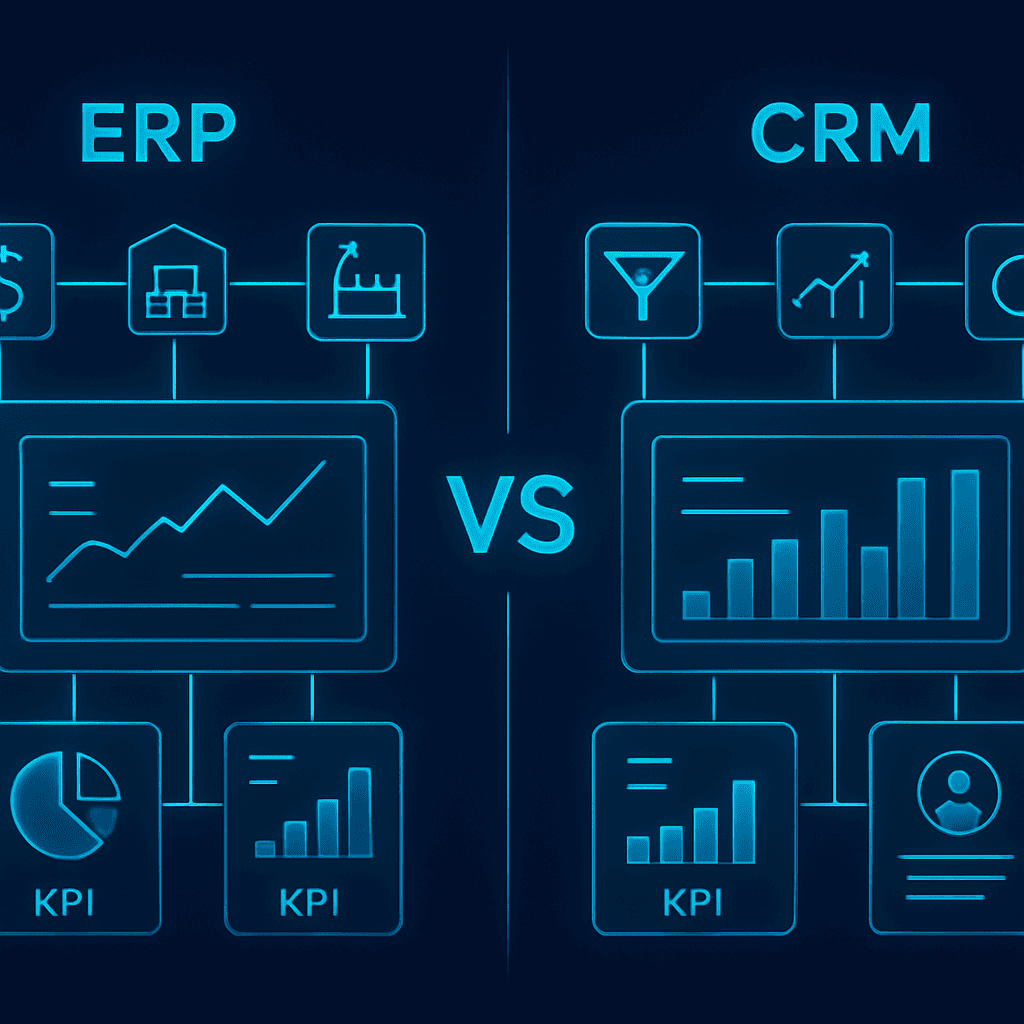
ERP vs CRM: What's the Difference?
Understand the key differences between ERP and CRM systems: what each one does, their benefits, use cases, costs, the role of AI, and how to decide which system (or both) your business actually needs.
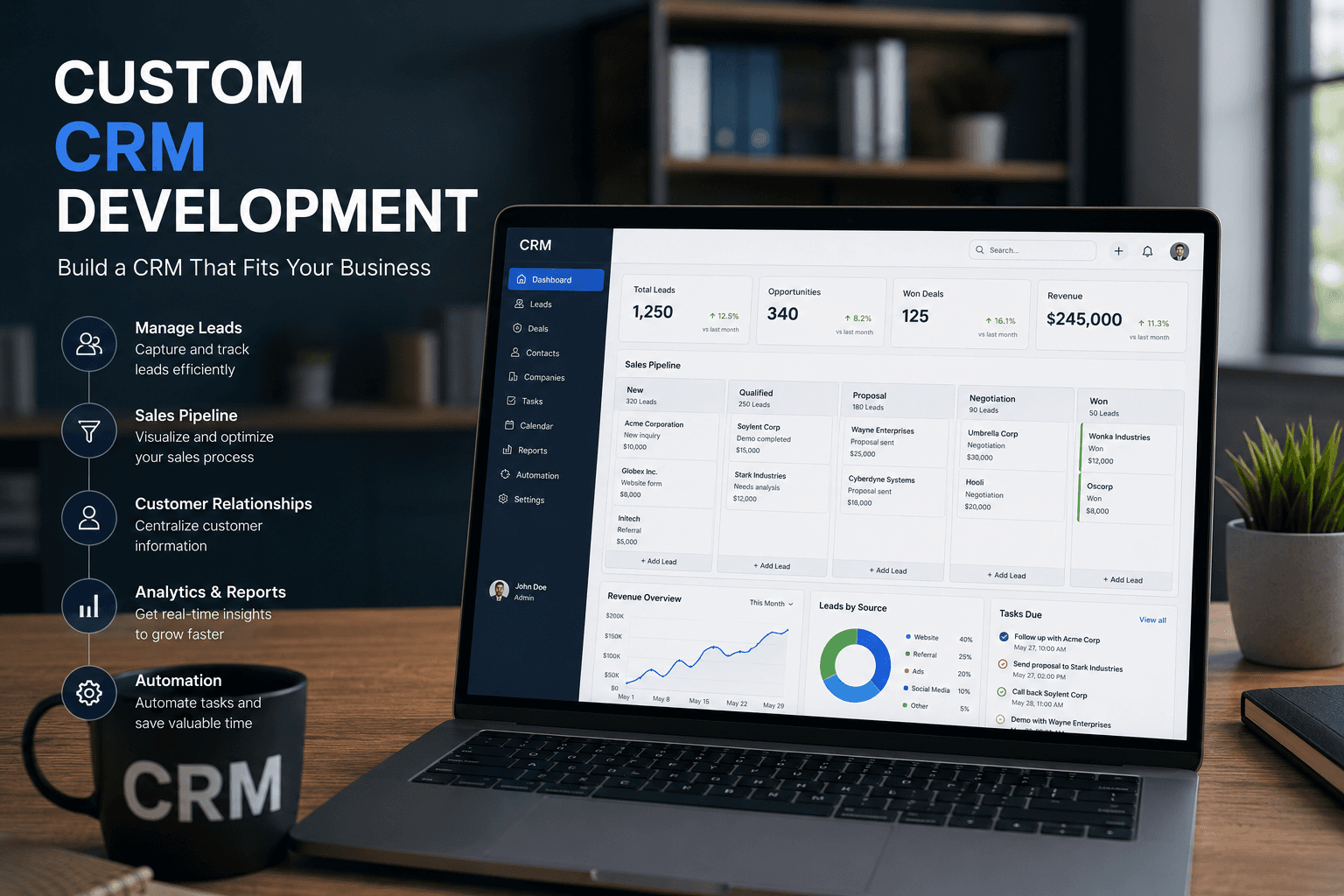
Custom CRM Development: Complete Guide
Everything businesses need to know about custom CRM development: what it is, benefits, essential features, AI-powered capabilities, costs, the development process, and how to decide if building a custom CRM is right for your company.