Native Apps vs Web Apps: Which One Should Businesses Build First?
One of the biggest decisions businesses face when building a digital product is choosing between a native app and a web app. Discover which approach makes the most sense for your business.
Last updated: May 2026
One of the biggest decisions businesses face when building a digital product is choosing between a native app and a web app.
At first glance, the answer may seem simple. Native apps are often associated with better performance and mobile experiences, while web apps are viewed as faster and more accessible.
But in reality, the decision is far more strategic.
Choosing the wrong approach too early can increase costs, delay launches, create scalability challenges, and force businesses into unnecessary technical complexity.
The best choice depends on several factors, including:
- business goals
- target audience
- budget
- scalability requirements
- product stage
- operational complexity
Understanding the strengths and limitations of each approach is essential before investing in development.
What Is a Native App?
Native apps are applications built specifically for mobile operating systems such as:
- iOS
- Android
They are typically developed using technologies designed for each platform individually.
Examples include:
- Swift for iOS
- Kotlin for Android
- React Native or Flutter for cross-platform native experiences
Native apps are installed directly on a user's device through app stores.
What Is a Web App?
Web apps are browser-based applications accessed through the internet instead of being downloaded from app stores.
Modern web applications can behave similarly to native apps while offering greater flexibility and accessibility across devices.
Businesses commonly use web apps for:
- SaaS platforms
- dashboards
- marketplaces
- CRMs
- internal systems
- client portals
- management platforms
Modern web app development services allow companies to build scalable systems accessible across desktop, tablet, and mobile devices from a single codebase.
The Main Difference: Accessibility vs Device Integration
The biggest distinction between native and web apps is how users access them.
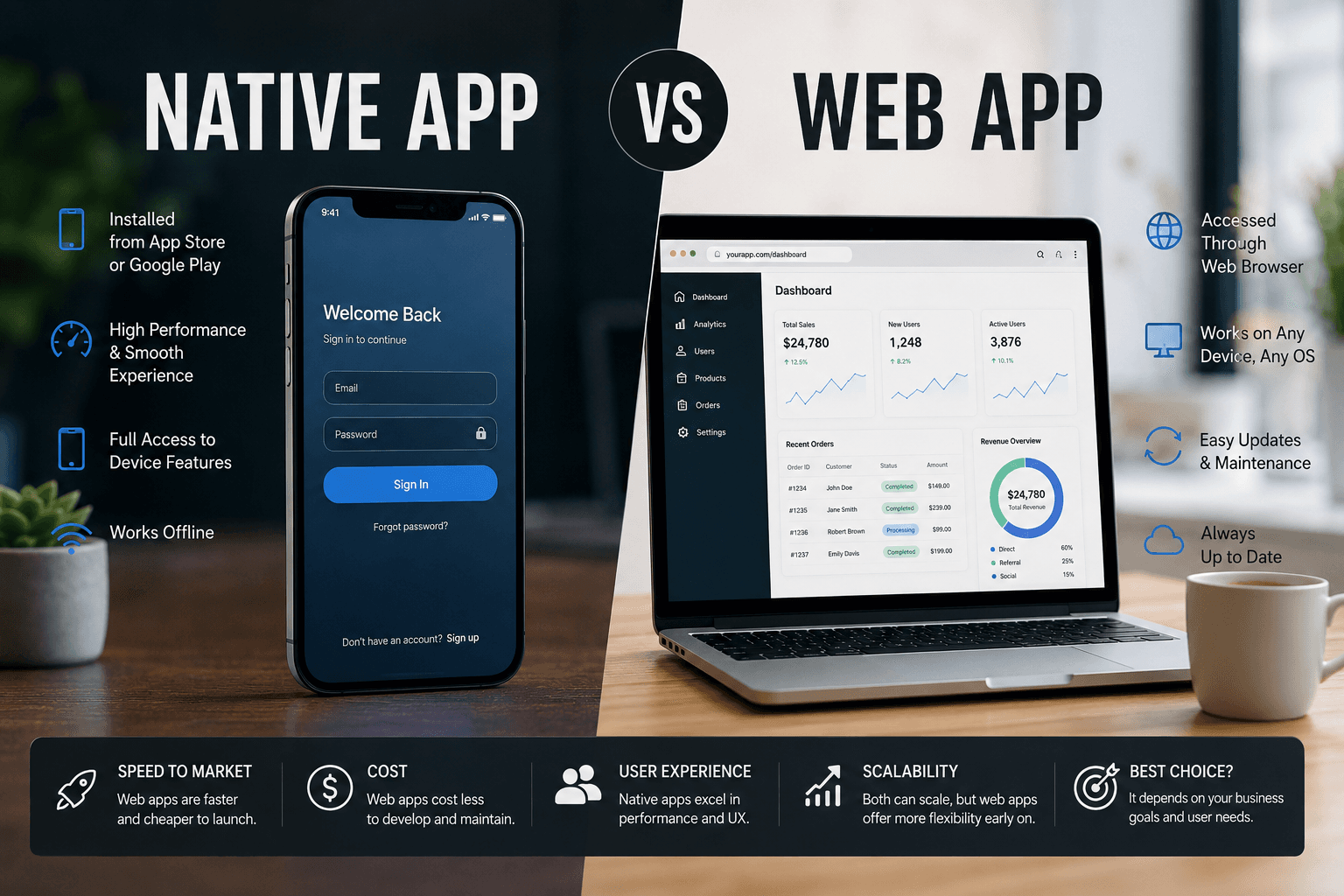
Native Apps
- installed directly on devices
- stronger access to device hardware
- optimized mobile performance
- app store distribution
Web Apps
- accessible through browsers
- no installation required
- easier updates and maintenance
- broader cross-platform accessibility
This difference directly impacts cost, scalability, and product strategy.
When Native Apps Make More Sense
Native apps are often the best choice when products rely heavily on device-level functionality or highly optimized mobile experiences.
This includes applications involving:
- advanced camera usage
- GPS-intensive functionality
- Bluetooth integrations
- offline-first experiences
- high-performance animations
- gaming
- wearable device integrations
Native apps also tend to provide smoother mobile interactions in highly demanding environments.
For businesses where mobile experience is the core product itself, native development may be the most appropriate long-term solution.
When Web Apps Make More Sense
For many businesses, web apps provide a more practical and scalable starting point.
Web applications are often ideal for:
- SaaS startups
- internal platforms
- marketplaces
- management systems
- operational dashboards
- automation tools
- B2B products
This is largely because web apps allow businesses to:
- launch faster
- reduce initial development costs
- maintain a single codebase
- deploy updates instantly
- scale more efficiently across devices
For early-stage companies, speed and flexibility are often more valuable than platform-specific optimization.
Cost Differences Between Native and Web Apps
One of the biggest factors influencing this decision is development cost.
Native apps frequently require:
- separate development workflows
- platform-specific maintenance
- additional testing
- duplicated feature implementation
This can significantly increase both initial and long-term costs.
Web apps are generally more cost-efficient because businesses can manage multiple platforms through a unified system.
Modern development approaches have made this even more accessible through hybrid workflows that combine:
- AI-assisted development
- no-code tools
- scalable frontend frameworks
- custom backend infrastructure
These approaches allow businesses to validate products faster while maintaining long-term scalability.
Scalability and Long-Term Growth
Scalability is another critical consideration.
Many businesses initially assume native apps are automatically more scalable. In reality, scalability depends far more on architecture and infrastructure than on whether the product is native or web-based.
Modern scalable custom software development solutions allow businesses to evolve products gradually as operational demands increase.
For many startups and growing businesses, beginning with a scalable web application often creates a more flexible path toward growth before investing heavily in native infrastructure.
Maintenance and Operational Complexity
Maintenance is frequently underestimated during product planning.
Native ecosystems often involve:
- multiple app versions
- app store approvals
- platform compatibility updates
- separate bug tracking workflows
Web apps simplify much of this process because updates can be deployed instantly without requiring user downloads or store approval processes.
For businesses prioritizing operational efficiency, this can become a major advantage over time.
User Experience Expectations Are Changing
Historically, native apps offered a significantly better user experience than web apps.
However, modern web technologies have narrowed that gap considerably.
Today's web applications can provide:
- responsive mobile experiences
- real-time interactions
- push notifications
- fast interfaces
- app-like behavior
As a result, many businesses no longer need native apps immediately to deliver strong digital experiences.
The Rise of Hybrid Product Strategies
One increasingly common approach is starting with a scalable web app and expanding into native apps later if necessary.
This strategy allows businesses to:
- validate products faster
- reduce upfront investment
- gather real user feedback
- evolve infrastructure gradually
- avoid premature complexity
In practice, many successful products begin with web-based systems before investing heavily in fully native ecosystems.
Common Mistakes Businesses Make
One of the biggest mistakes companies make is choosing technology based on trends instead of business needs.
Examples include:
- building native apps too early
- over-engineering infrastructure
- prioritizing technology over validation
- ignoring scalability planning
- focusing on features instead of operations
The right approach depends on the product stage and long-term business goals — not simply on what is technically possible.
Final Thoughts
There is no universal answer to whether businesses should build native apps or web apps first.
The best choice depends on:
- the type of product
- operational goals
- scalability requirements
- user behavior
- available resources
For many modern businesses, web apps provide the fastest and most flexible path to launching and scaling digital products.
Native apps become increasingly valuable when mobile-specific functionality and highly optimized experiences become core business requirements.
The most effective product strategies are usually the ones that balance speed, scalability, flexibility, and long-term growth instead of committing too early to unnecessary complexity.
A Practical Perspective
In practice, businesses often achieve the best results by choosing development approaches based on their current stage rather than long-term assumptions alone. Teams that prioritize validation, scalability, and operational flexibility early are generally better positioned to evolve products successfully as user demands and business complexity increase.
Related Articles
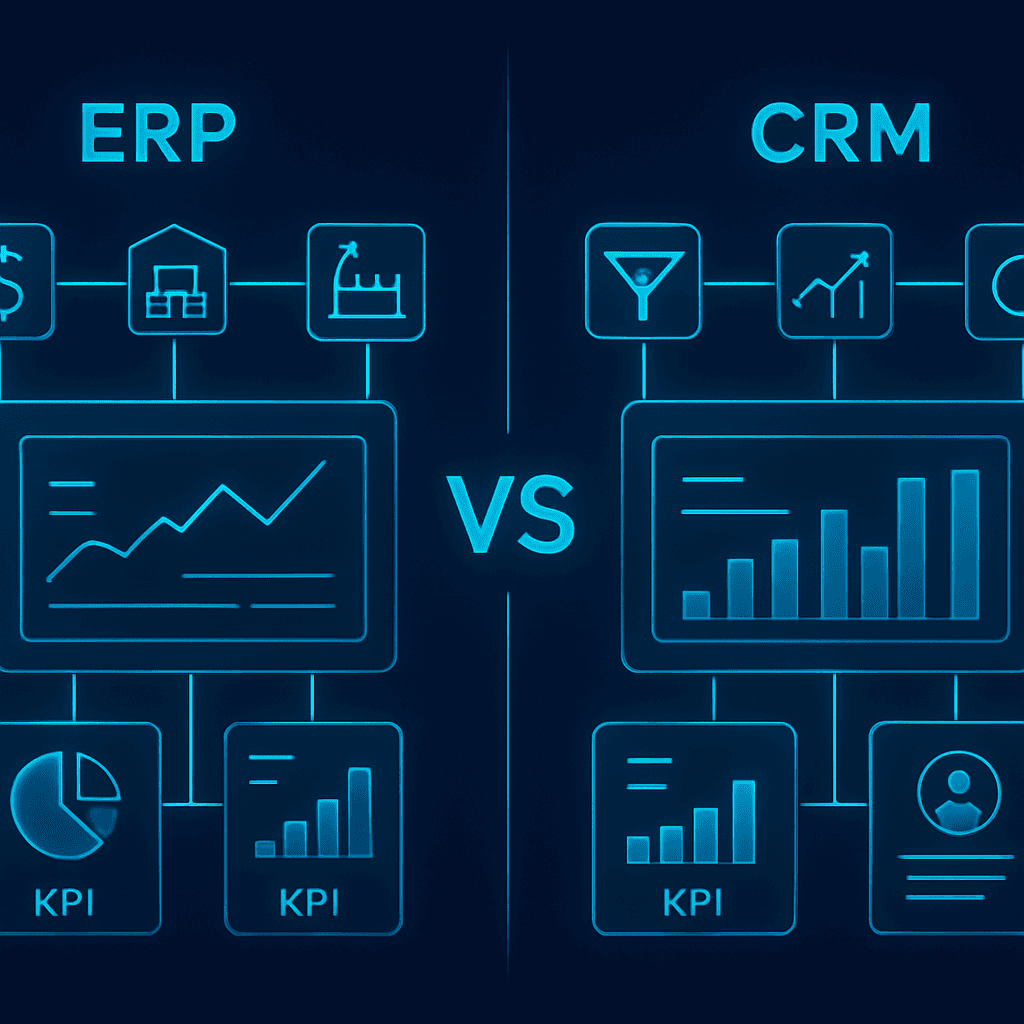
ERP vs CRM: What's the Difference?
Understand the key differences between ERP and CRM systems: what each one does, their benefits, use cases, costs, the role of AI, and how to decide which system (or both) your business actually needs.
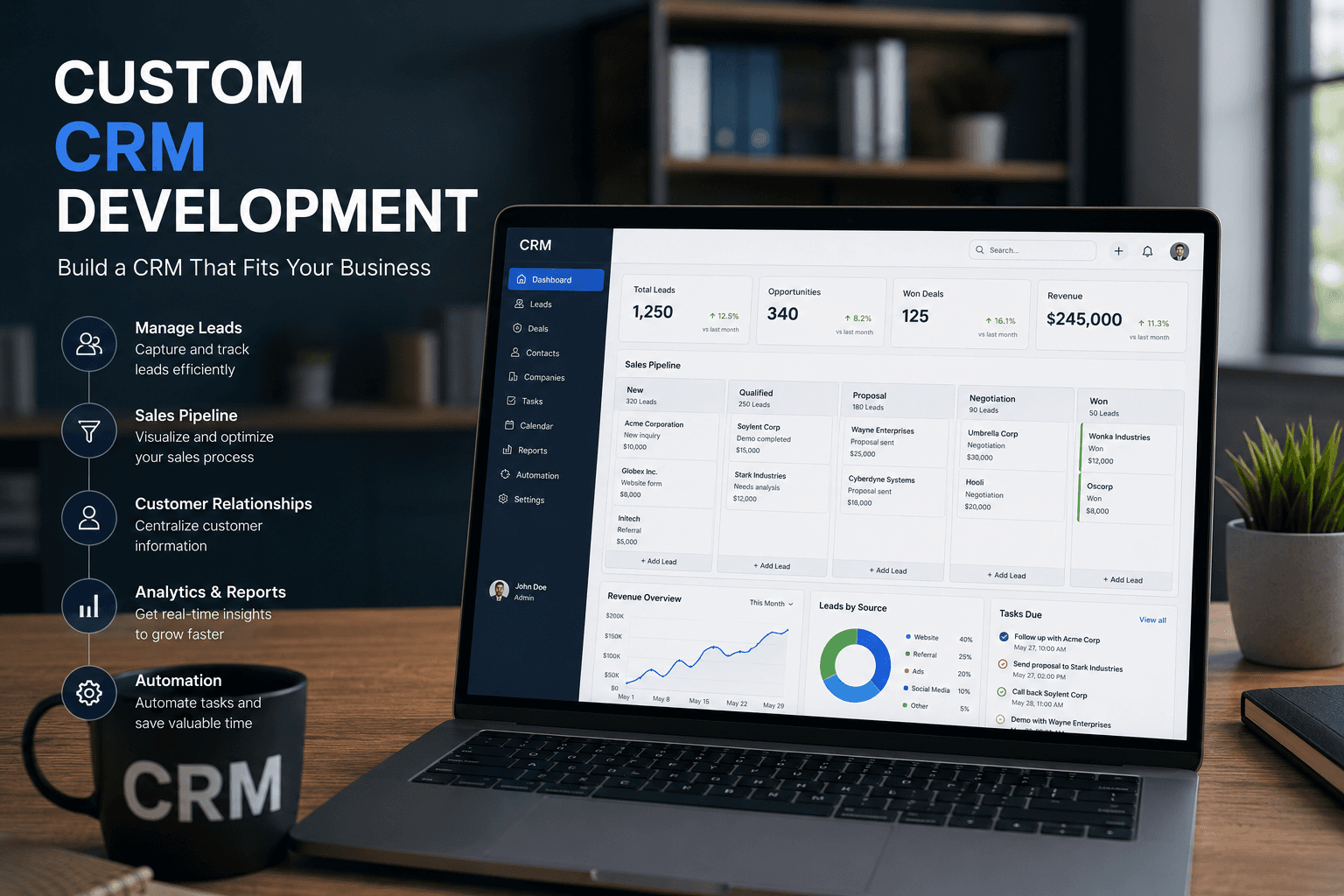
Custom CRM Development: Complete Guide
Everything businesses need to know about custom CRM development: what it is, benefits, essential features, AI-powered capabilities, costs, the development process, and how to decide if building a custom CRM is right for your company.