AI-Generated App Maintenance Guide
Learn everything about maintaining AI-generated applications built with Lovable, Bolt, Replit, and other AI platforms. A complete guide to performance, security, and long-term scalability.
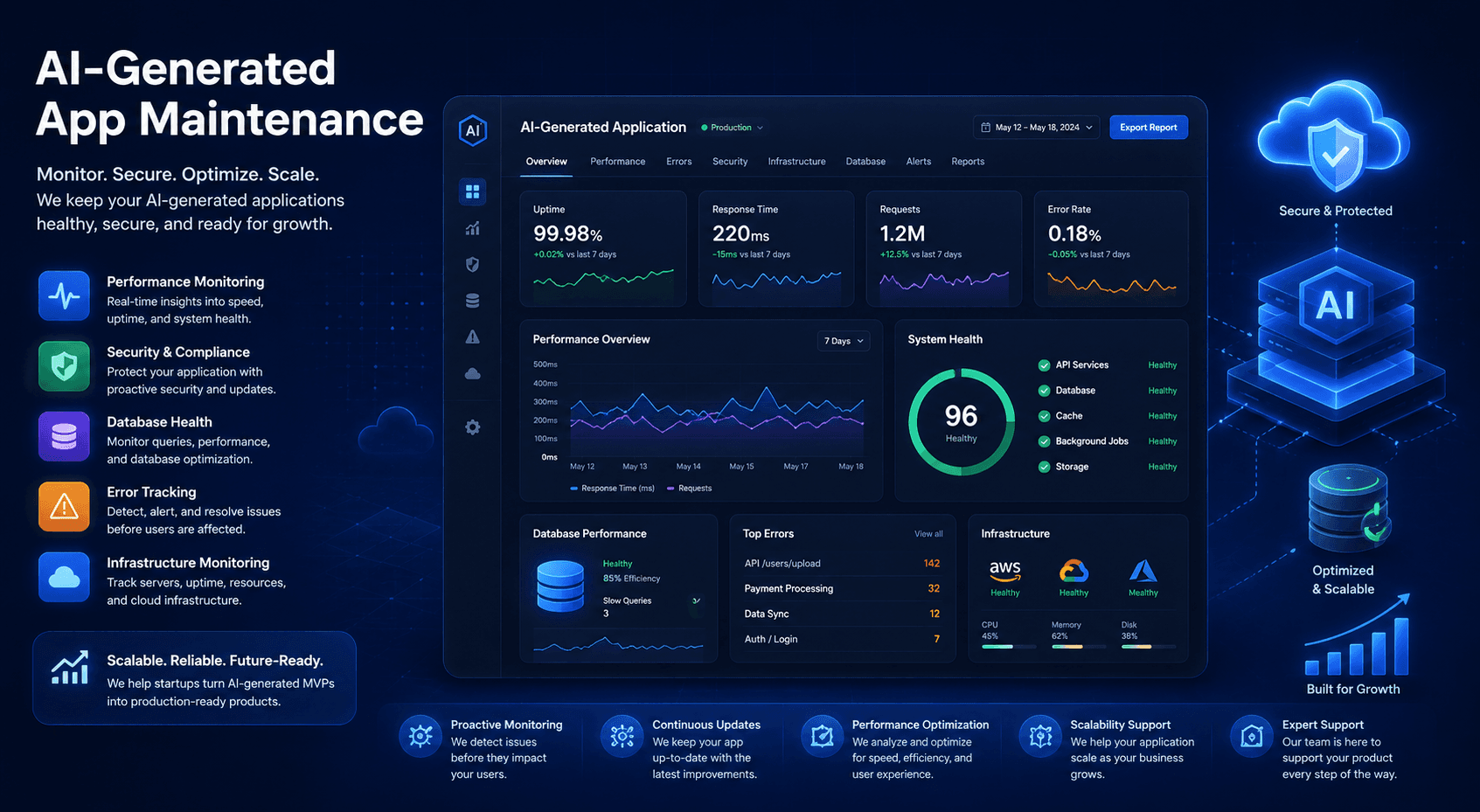
Artificial intelligence has transformed software development.
Today, startups can launch products faster than ever using AI-powered development tools such as Lovable, Bolt, Replit, and other AI-assisted platforms. Founders can generate interfaces, APIs, workflows, and business logic in a fraction of the time required by traditional development methods.
But launching an application is only the beginning.
As user adoption grows and business requirements evolve, maintaining an AI-generated application becomes increasingly important. Without proper maintenance, even the most promising product can suffer from performance issues, security vulnerabilities, technical debt, and scalability limitations.
This guide explains everything founders and product teams need to know about maintaining AI-generated applications and ensuring they remain reliable, secure, and scalable over the long term.
Why AI-Generated Applications Require Ongoing Maintenance
Many founders assume that once an application is launched, development is largely complete.
In reality, software maintenance often represents the majority of a product's lifecycle.
AI-generated applications are particularly susceptible to maintenance challenges because AI tools prioritize speed and functionality rather than long-term architectural planning.
As applications grow, common issues begin to emerge:
- Slower performance
- Growing technical debt
- Security vulnerabilities
- Increased infrastructure costs
- More frequent bugs
- Difficulty implementing new features
Regular maintenance helps prevent these problems from slowing business growth.
Common Challenges in AI-Generated Apps
While AI development tools accelerate delivery, they often create hidden challenges beneath the surface.
Inconsistent Code Structure
AI-generated code frequently follows different patterns throughout the application.
This inconsistency makes future development more difficult and increases onboarding time for developers.
Duplicate Logic
Many AI-generated projects contain repeated code across multiple components and workflows.
Over time, duplication increases maintenance complexity and bug risk.
Scalability Issues
Applications designed for early-stage validation may not be prepared for significant user growth.
Common scalability issues include:
- Database bottlenecks
- Slow API responses
- Inefficient data processing
- Excessive server resource consumption
Limited Documentation
Documentation is often overlooked during rapid development.
As the application evolves, a lack of documentation creates challenges for maintenance and future enhancements.
Is Your AI-Built App Showing Signs of Wear?
Get a free technical assessment and discover exactly what your application needs to stay healthy and scalable.
Key Areas of AI App Maintenance
Effective maintenance involves much more than fixing bugs.
Successful teams focus on several critical areas.
Performance Optimization
Performance maintenance helps ensure applications remain responsive as usage increases.
Typical improvements include:
- Query optimization
- Database indexing
- API performance tuning
- Frontend optimization
- Caching strategies
Performance improvements often lead directly to higher user satisfaction and retention.
Security Updates
Security should be an ongoing priority.
Maintenance activities typically include:
- Updating dependencies
- Reviewing authentication systems
- Improving access controls
- Conducting security assessments
- Monitoring potential vulnerabilities
As applications grow, security risks become increasingly significant.
Infrastructure Monitoring
Maintaining healthy infrastructure requires continuous monitoring.
Teams should track:
- Server performance
- Resource utilization
- Error rates
- System availability
- Application logs
Proactive monitoring helps identify problems before users experience disruptions.
Code Quality Improvements
As technical debt accumulates, code quality becomes increasingly important.
Many organizations eventually invest in Vibe-Coded App Refactoring Services to improve maintainability, performance, and scalability.
Common improvements include:
- Removing duplicated code
- Simplifying complex workflows
- Improving application architecture
- Standardizing development patterns
Understanding Technical Debt
Technical debt refers to shortcuts taken during development that create future maintenance costs.
AI-generated applications often accumulate technical debt faster because development speed is prioritized over architecture.
Examples include:
- Poor component organization
- Redundant logic
- Large monolithic files
- Missing documentation
- Inefficient database structures
Technical debt is not always immediately visible.
However, it eventually impacts:
- Development speed
- Product stability
- Maintenance costs
- User experience
Addressing technical debt early is significantly less expensive than waiting until problems become severe.
Related Reading: How to Refactor a Vibe-Coded App Before It Breaks
When Maintenance Becomes Refactoring
Maintenance and refactoring are closely related but serve different purposes.
Maintenance focuses on:
- Bug fixes
- Updates
- Monitoring
- Security improvements
- Minor optimizations
Refactoring focuses on:
- Improving architecture
- Reducing technical debt
- Enhancing scalability
- Improving maintainability
When recurring issues continue despite regular maintenance, it may be time to invest in dedicated Vibe-Coded App Refactoring Services.
Refactoring helps create a stronger foundation for long-term growth.
Preventive Maintenance vs Reactive Maintenance
Many companies only respond when something breaks.
This approach is known as reactive maintenance.
Unfortunately, reactive maintenance often results in:
- Emergency fixes
- Downtime
- Frustrated users
- Increased development costs
Preventive maintenance takes a different approach.
It focuses on identifying and resolving issues before they impact the business.
Examples include:
- Regular technical audits
- Performance reviews
- Security assessments
- Dependency updates
- Infrastructure evaluations
Preventive maintenance is typically more cost-effective and less disruptive.
Best Practices for Maintaining AI-Generated Applications
Schedule Regular Technical Audits
Technical audits help uncover hidden risks and identify opportunities for improvement.
Many companies perform audits quarterly or biannually.
Monitor Performance Continuously
Application performance should be monitored at all times.
Key metrics include:
- Page load times
- API response times
- Error rates
- Infrastructure costs
Keep Dependencies Updated
Outdated libraries create both security and compatibility risks.
Routine updates should be part of every maintenance strategy.
Improve Documentation
Documentation should evolve alongside the application.
This includes:
- Architecture documentation
- API references
- Deployment procedures
- Development workflows
Invest in Long-Term Architecture
As applications mature, architecture becomes increasingly important.
Many growing startups eventually complement AI-generated development with professional Custom Software Development Services to support future growth.
Need a Technical Audit?
Our team can assess your AI-generated application and provide a clear roadmap for improvement.
The Lifecycle of an AI-Generated Application
Most AI-generated applications follow a predictable growth path.
Phase 1: MVP Development
The primary goal is speed.
Many founders use MVP Development Services to validate their ideas quickly and efficiently.
Phase 2: Growth
User adoption increases.
Additional features are added.
Technical debt begins accumulating.
Phase 3: Complexity
The application becomes more sophisticated.
Maintenance requirements increase significantly.
Phase 4: Optimization and Modernization
Organizations invest in:
- Refactoring
- Performance optimization
- Security improvements
- Architecture modernization
Many companies leverage Software Modernization Services during this phase to prepare for long-term scaling.
Signs Your AI-Generated App Needs Professional Maintenance
You may need professional support if:
- Performance is declining
- Bugs are becoming more frequent
- Infrastructure costs are increasing
- Development is slowing down
- Security concerns are emerging
- Scaling is becoming difficult
These issues rarely resolve themselves and often worsen over time.
Companies experiencing these challenges often benefit from working with experienced AI Development experts who understand both AI-generated codebases and production-grade engineering practices.
Need Help Maintaining an AI-Generated App?
Maintaining AI-generated software requires a proactive approach to performance, security, scalability, and technical debt management.
At withnocode, we help startups and growing businesses maintain, optimize, and modernize applications built with AI-assisted development platforms.
Whether your application was built using Lovable, Bolt, Replit, or another AI-powered development environment, our team can help ensure it remains secure, reliable, and scalable.
Learn more about our Vibe-Coded App Refactoring Services or contact our team for a technical assessment of your application.
Ready to Future-Proof Your Application?
Get expert guidance on maintaining and scaling your AI-generated software for long-term success.
Final Thoughts
AI-generated software enables organizations to move faster than ever before.
However, long-term success depends on what happens after launch.
Without proper maintenance, technical debt accumulates, performance declines, and growth becomes increasingly difficult.
By investing in proactive maintenance, regular audits, and strategic modernization, companies can transform AI-generated applications into reliable, scalable platforms capable of supporting long-term business growth.
Related Articles
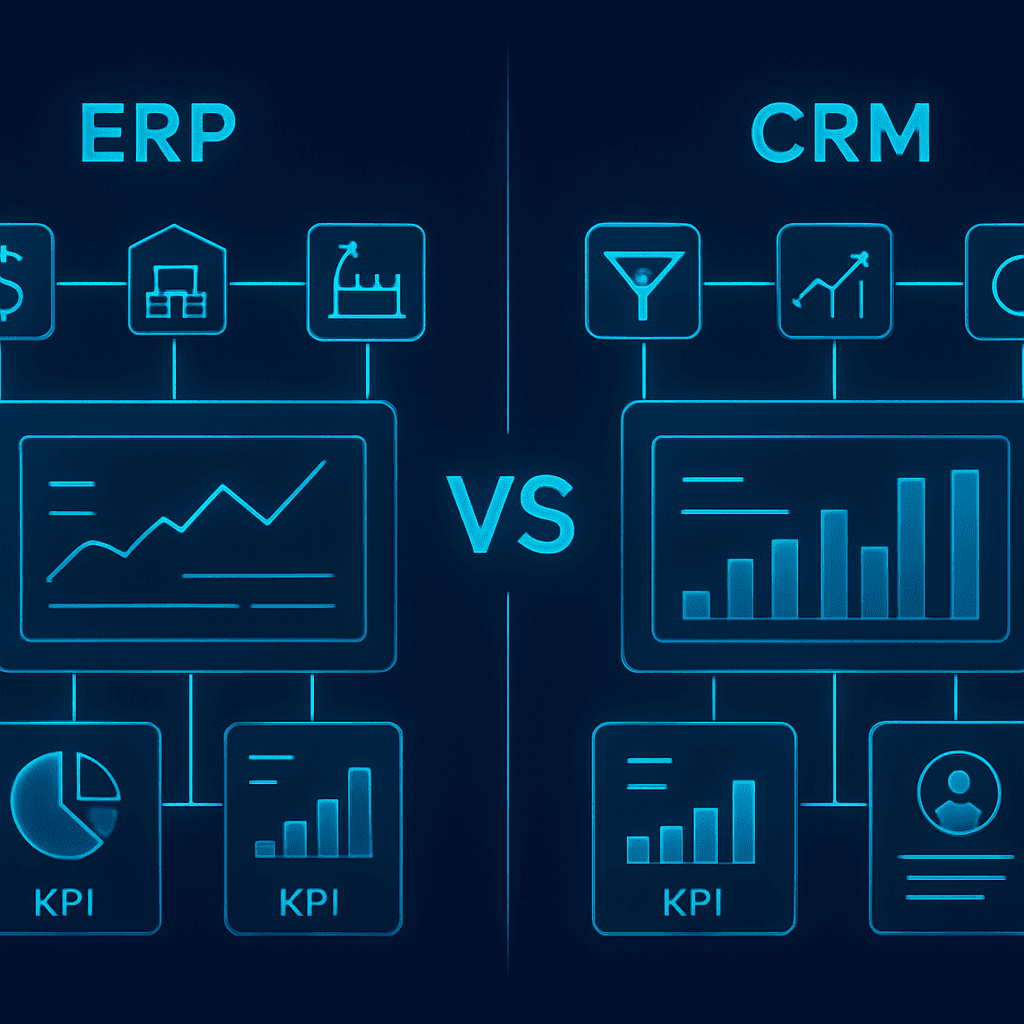
ERP vs CRM: What's the Difference?
Understand the key differences between ERP and CRM systems: what each one does, their benefits, use cases, costs, the role of AI, and how to decide which system (or both) your business actually needs.
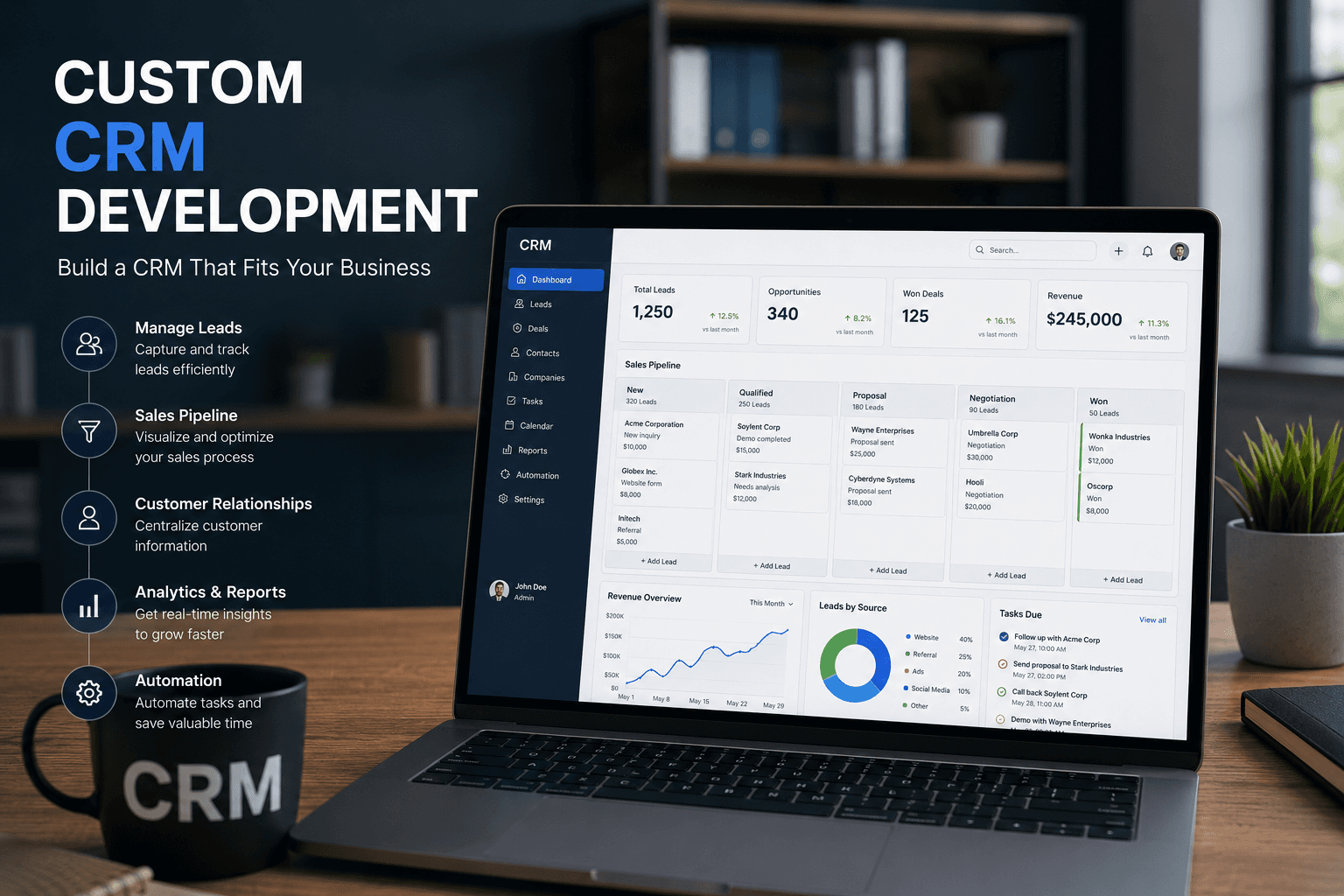
Custom CRM Development: Complete Guide
Everything businesses need to know about custom CRM development: what it is, benefits, essential features, AI-powered capabilities, costs, the development process, and how to decide if building a custom CRM is right for your company.