How to Build an MVP: Step-by-Step Guide for Startups
Learn how modern startups build MVPs. Step-by-step guide covering validation, development approaches, tools, and how to launch fast without overspending.
Last updated: April 2026
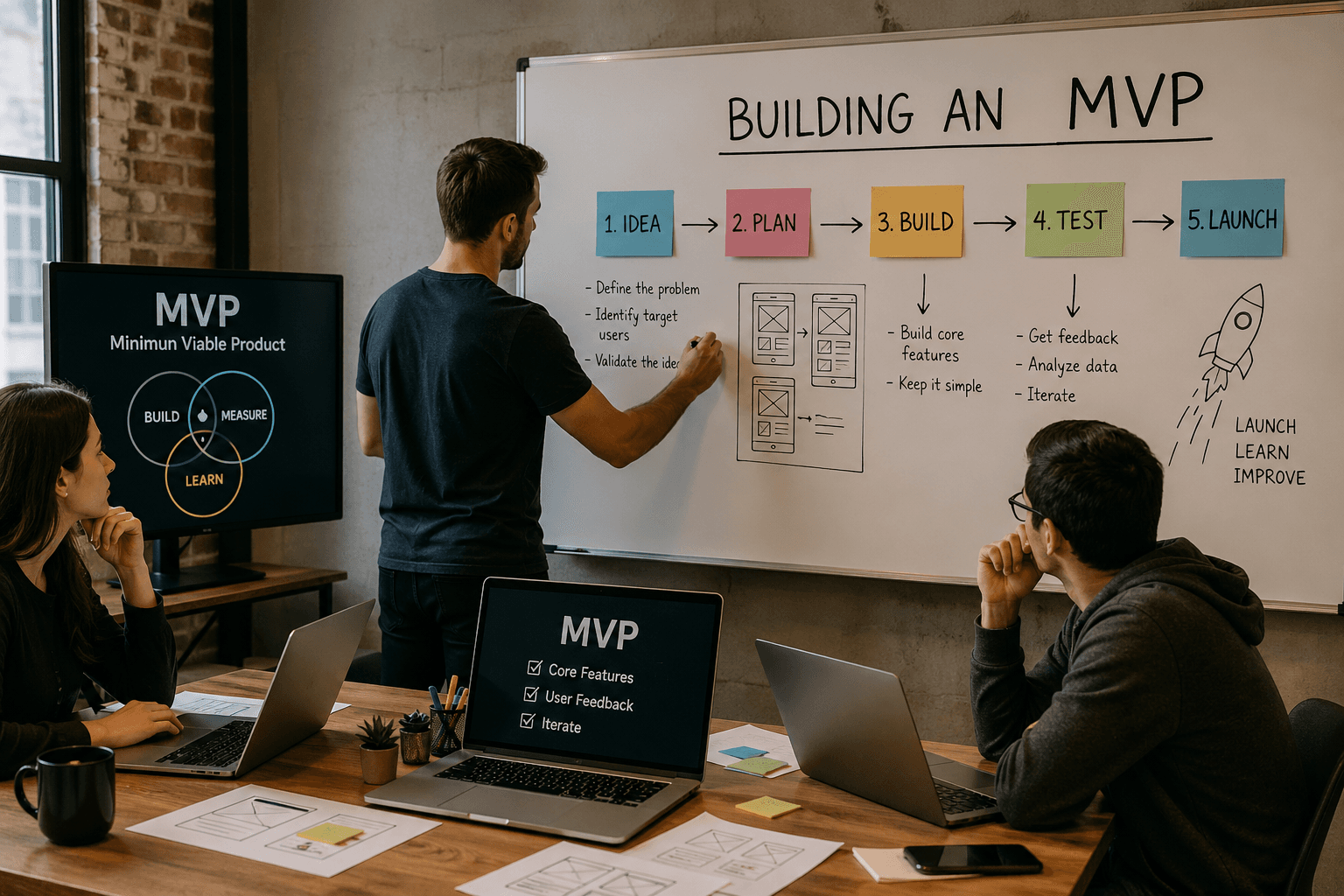
Building a successful product no longer starts with a fully developed application. Today, most successful startups begin with a Minimum Viable Product (MVP) — a simplified version of a product designed to validate an idea quickly and efficiently.
Instead of spending months (or even years) building complex systems, startups now focus on launching fast, learning from real users, and iterating based on feedback.
But how exactly are modern startups building MVPs today?
Let's break it down step by step.
What Is an MVP (And Why It Matters)
An MVP is the simplest version of a product that solves a core problem for users.
The goal is not perfection — it's validation.
By launching an MVP, startups can:
- Test market demand
- Gather real user feedback
- Avoid unnecessary development costs
- Reduce risk before scaling
This approach has become essential in a world where speed and adaptability are critical.
Step 1: Define the Core Problem
Every successful MVP starts with a clear problem.
Instead of trying to build a feature-rich product, focus on answering one question:
What is the main problem your product solves?
The clearer the problem, the simpler and more effective your MVP will be.
Step 2: Identify the Core Features
Once the problem is defined, the next step is selecting only the features that are absolutely necessary.
A common mistake is trying to include too many features early on.
Instead, focus on:
- The primary user flow
- The minimum functionality required
- Delivering value quickly
Everything else can be added later.
Step 3: Choose the Right Development Approach
This is one of the most important decisions in the entire process.
Startups today typically choose between:
- No-code development
- AI-assisted development
- Traditional custom development
In most cases, early-stage startups benefit from using no-code and AI tools to build faster and reduce costs.
If you're deciding between approaches, understanding the differences between no-code and custom development can help you choose the right path.
Step 4: Build Fast (Without Overengineering)
Speed is a competitive advantage.
Modern startups use tools that allow them to build functional MVPs in weeks instead of months.
The goal is not to build a perfect system — it is to launch something that works and can be tested with real users.
Overengineering at this stage often leads to wasted time and budget.
Step 5: Launch and Collect Feedback
Once the MVP is ready, the next step is to launch and gather feedback.
This is where real learning happens.
Focus on:
- User behavior
- Engagement
- Feedback and complaints
- Usage patterns
This data is far more valuable than assumptions made during development.
Step 6: Iterate and Improve
The MVP is just the beginning.
Based on feedback, startups can:
- Improve existing features
- Remove unnecessary elements
- Refine the user experience
- Prioritize what to build next
This iterative process is what turns an idea into a scalable product.
The Cost of Building an MVP
One of the biggest advantages of the MVP approach is cost efficiency.
Instead of investing heavily upfront, startups can build and test their ideas with a smaller budget.
In many cases:
- No-code MVPs: $10,000 to $40,000
- Custom MVPs: $50,000+
However, costs vary depending on complexity, features, and development approach.
If you want a deeper breakdown of how app development costs are calculated — including real examples and ways to optimize your budget — check out our complete app development cost guide.
Choosing the Right Tools
The tools you choose will directly impact your speed and cost.
Today, many startups rely on:
- No-code platforms for rapid development
- AI tools for automation and efficiency
- Hybrid approaches for flexibility
Choosing the right stack depends on your goals and technical requirements.
Common Mistakes Startups Make
Even with the MVP approach, many startups make avoidable mistakes.
Some of the most common include:
- Building too many features too early
- Choosing the wrong development approach
- Ignoring user feedback
- Overinvesting before validation
- Delaying launch in pursuit of perfection
Avoiding these mistakes can significantly increase your chances of success.
Final Thoughts
Building an MVP today is no longer about writing code from scratch — it's about making smart decisions.
Startups that move fast, validate early, and iterate continuously are far more likely to succeed.
The goal is simple: build just enough to learn, then improve based on real data.
By focusing on speed, efficiency, and user feedback, startups can turn ideas into scalable products without unnecessary risk or cost.
Related Articles
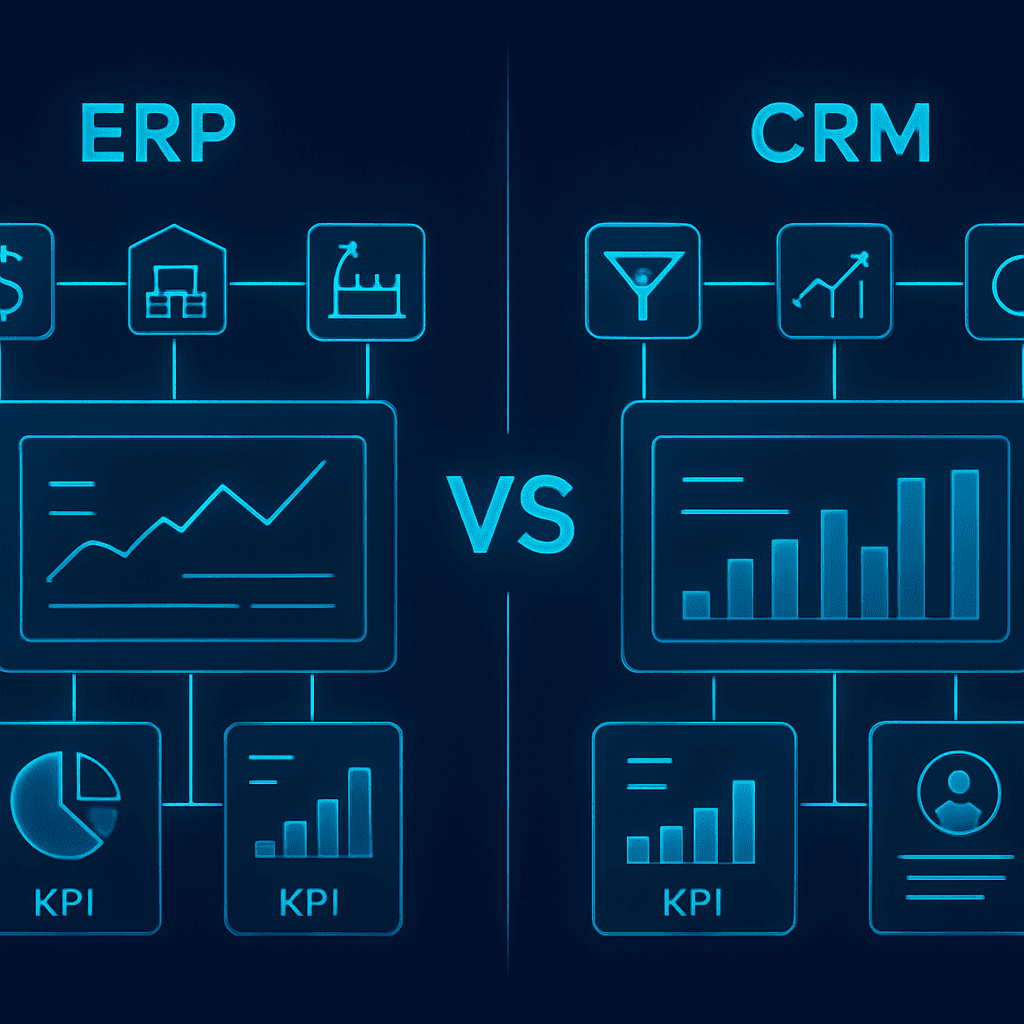
ERP vs CRM: What's the Difference?
Understand the key differences between ERP and CRM systems: what each one does, their benefits, use cases, costs, the role of AI, and how to decide which system (or both) your business actually needs.
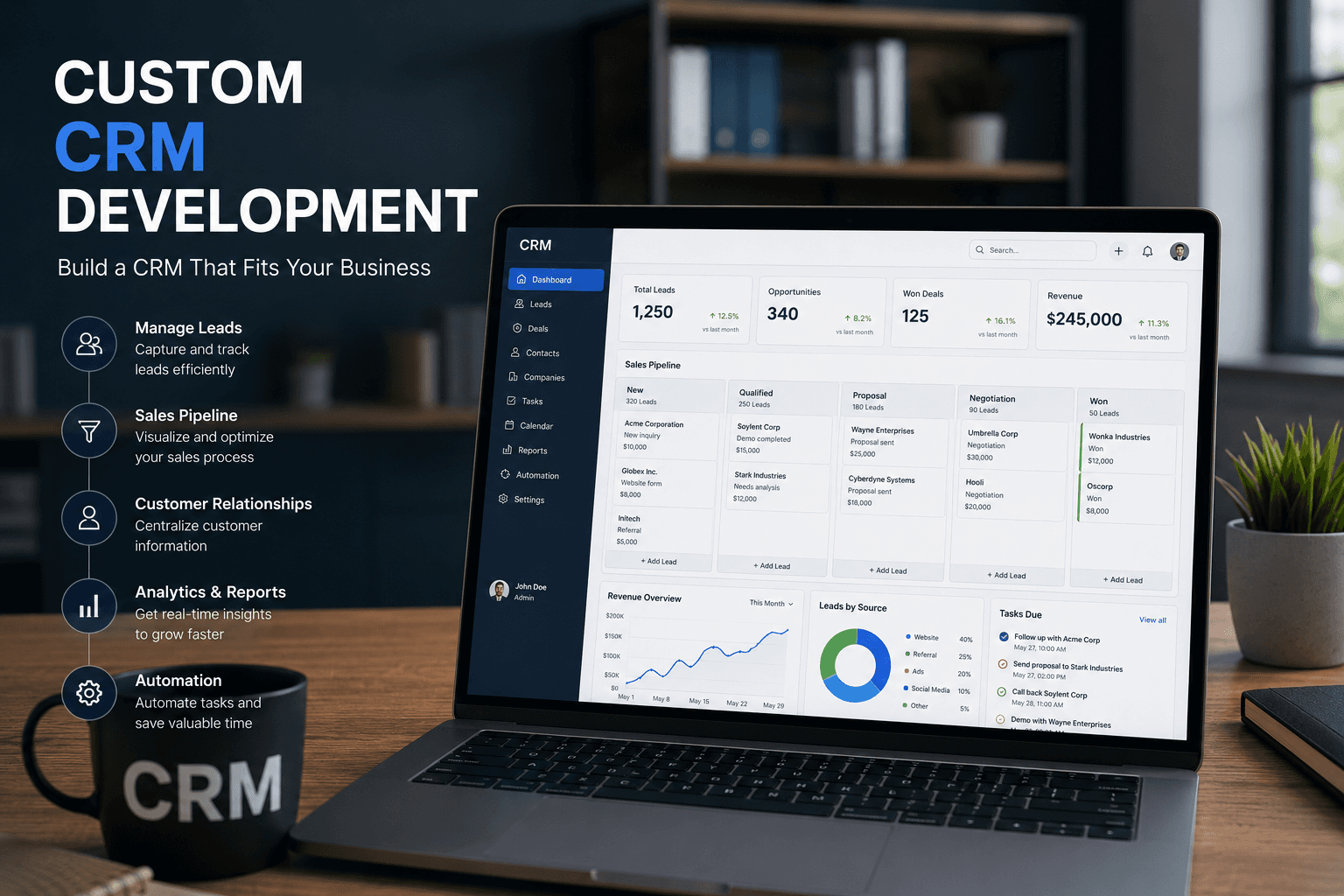
Custom CRM Development: Complete Guide
Everything businesses need to know about custom CRM development: what it is, benefits, essential features, AI-powered capabilities, costs, the development process, and how to decide if building a custom CRM is right for your company.